 Igor Rozovski
Still life: why it is never “just fruit on a table”
Lemons, copper, clay, a drapery — the still life is a quiet stage where objects tell stories. How to look at it and why it works so well at home.
The French call it nature morte, “dead nature”; the Dutch and English — still life. The second name is closer to the truth: a good still life is full of quiet life.
A stage for light
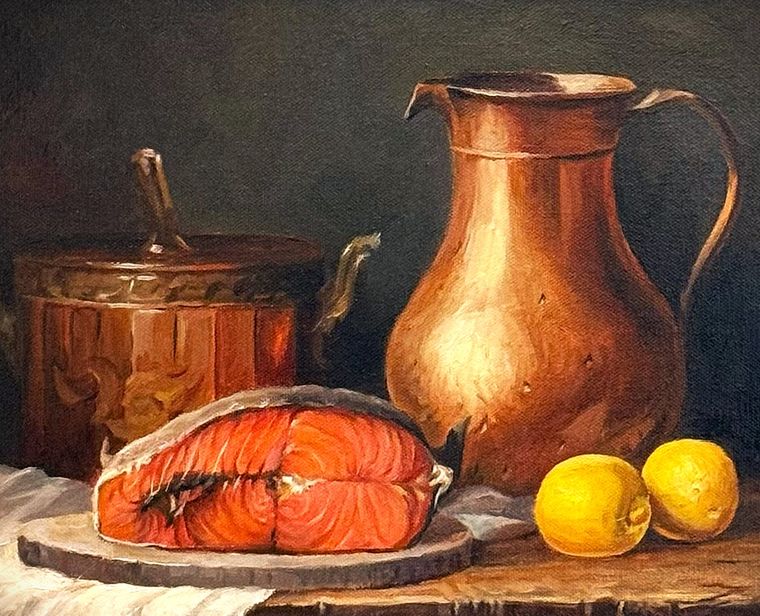
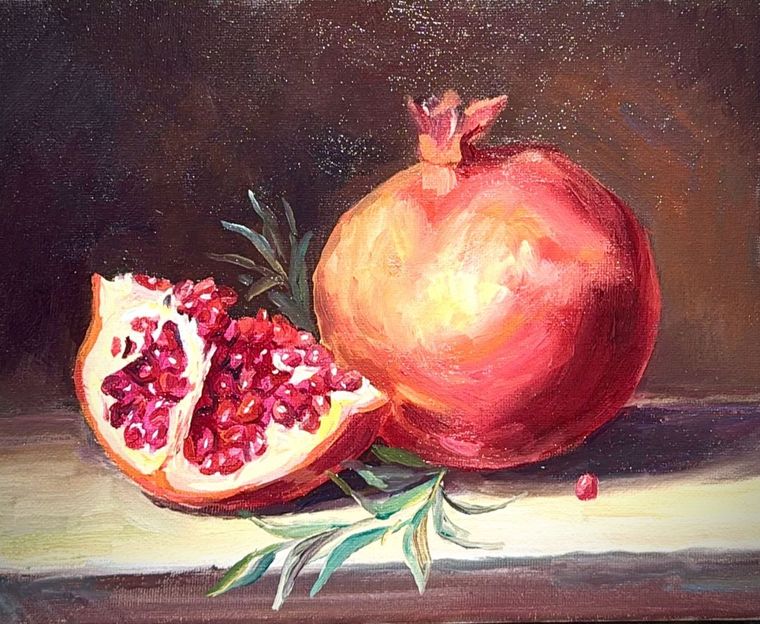
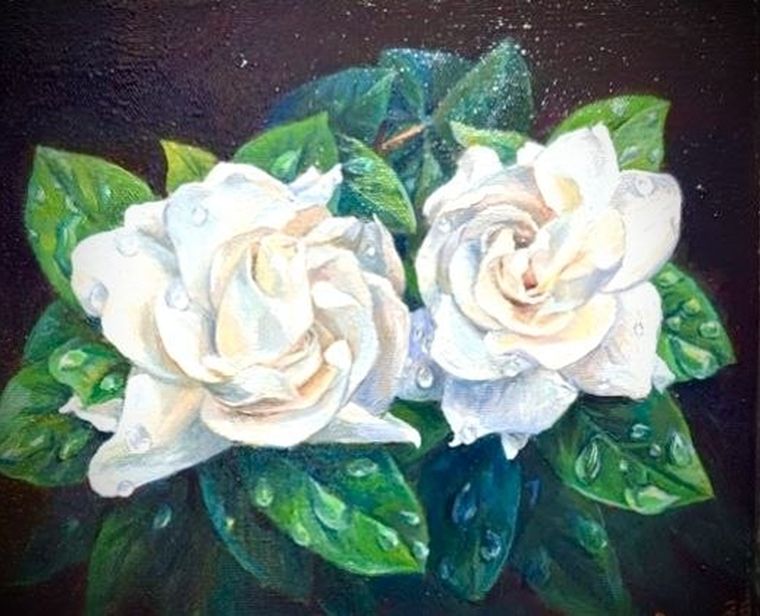
In a still life, the painter controls everything: the objects, their arrangement, the direction of light. That makes it the perfect genre for showing skill — the glow of a lemon, the reflection in copper, the softness of a velvet drapery.
Objects with meaning
Traditionally each object meant something: lemons — the bittersweet nature of life; grapes — abundance; a clay jug — home and simplicity; flowers — the passing of time. You don’t need to know the symbols to enjoy the painting, but they add depth.
Textures you want to touch
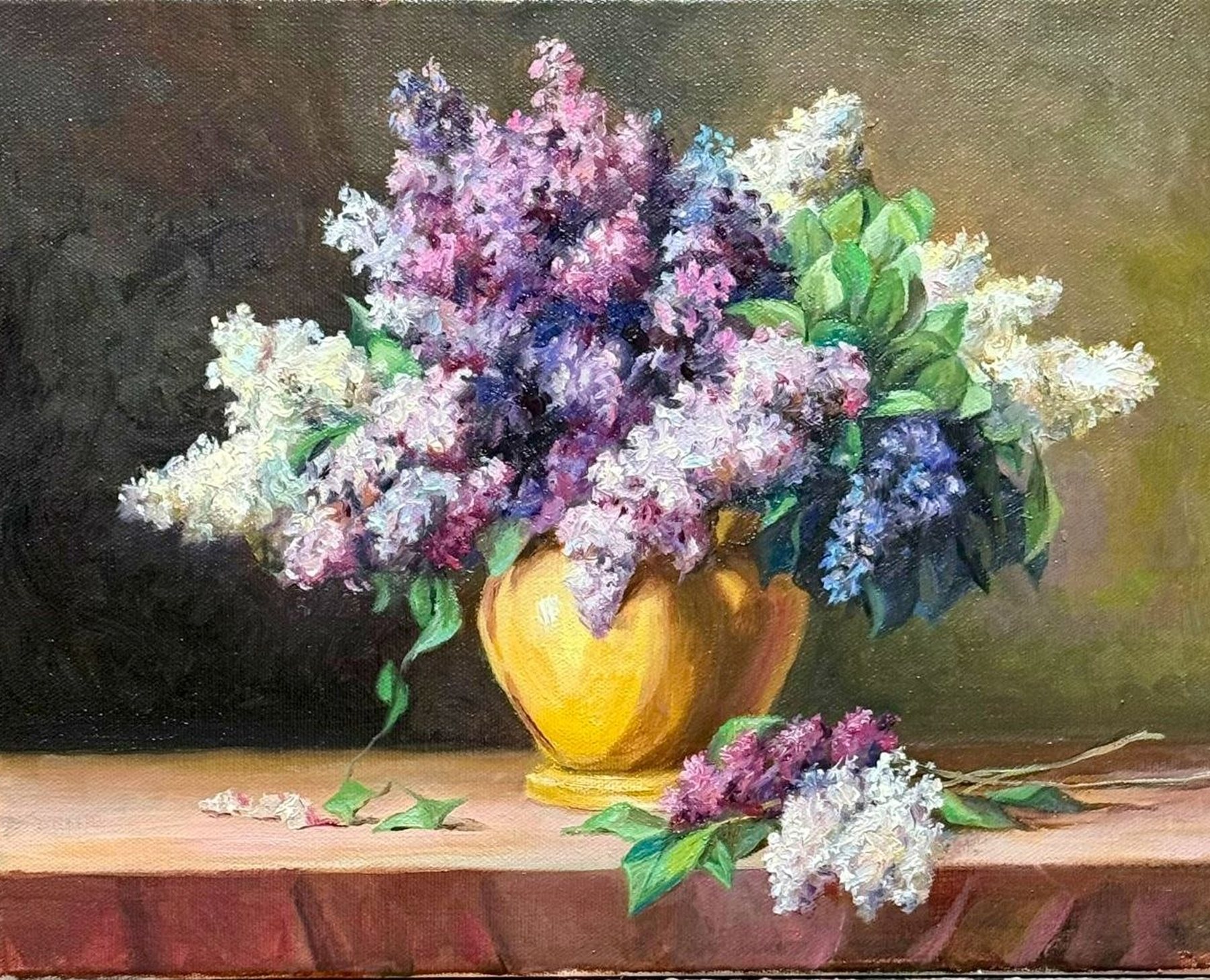
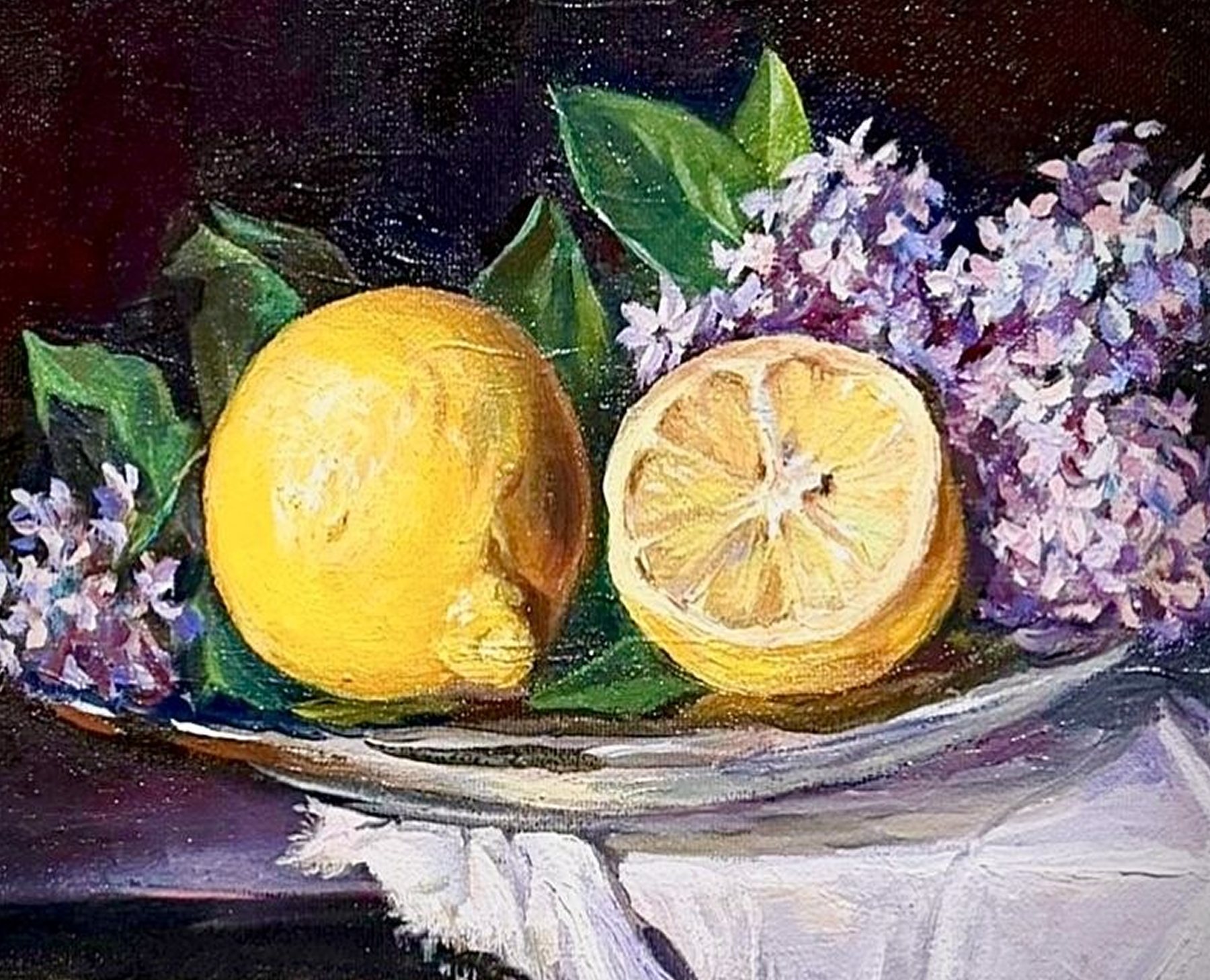
Look at Lemons and Lilac: the rough peel of the citrus, the delicate flowers, the cool surface of the table. A good still life makes you almost feel the textures with your eyes.
Why it works so well at home
- It is calm and intimate — perfect for kitchens, dining rooms and studies.
- It doesn’t depend on a season or a fashion.
- It connects to everyday life: we eat, cook and gather around exactly these objects.
A still life celebrates the ordinary. It reminds us that a bowl of fruit on a sunny morning is already a small miracle.
Discover all still lifes in the collection — or commission one with objects that matter to you: grandmother’s jug, fruit from your garden, your favourite cup.