 Igor Rozovski
The language of flowers in painting: what bouquets say
Peonies, lilac, daisies, mimosa — for centuries painters have used flowers to speak about joy, love and time. A small guide to reading a bouquet.
Flower painting is one of the oldest genres in European art. Dutch masters of the 17th century filled their bouquets with symbols, and even today a painted flower is never “just a flower”.
Peonies — abundance and happiness
Lush, generous, almost overflowing, peonies have long been a symbol of prosperity and a happy home. A bouquet of peonies brings warmth and a feeling of celebration into a room.
Lilac — spring and first love
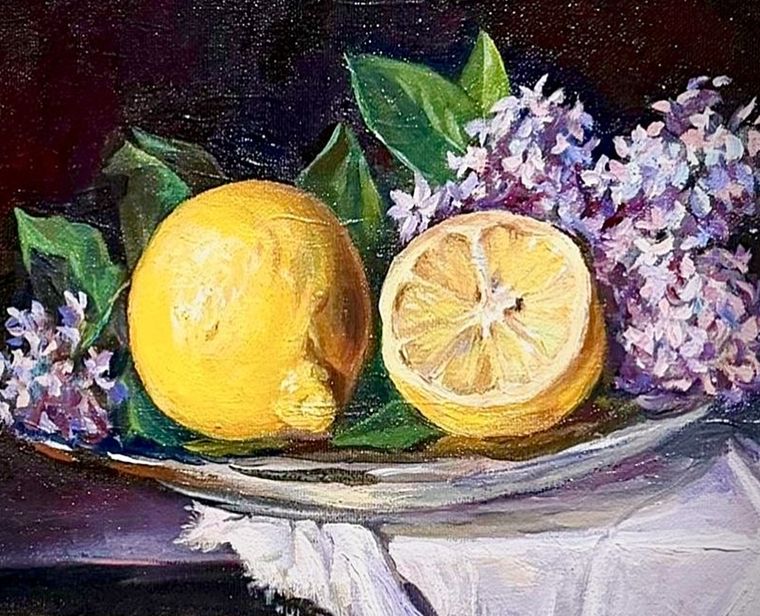
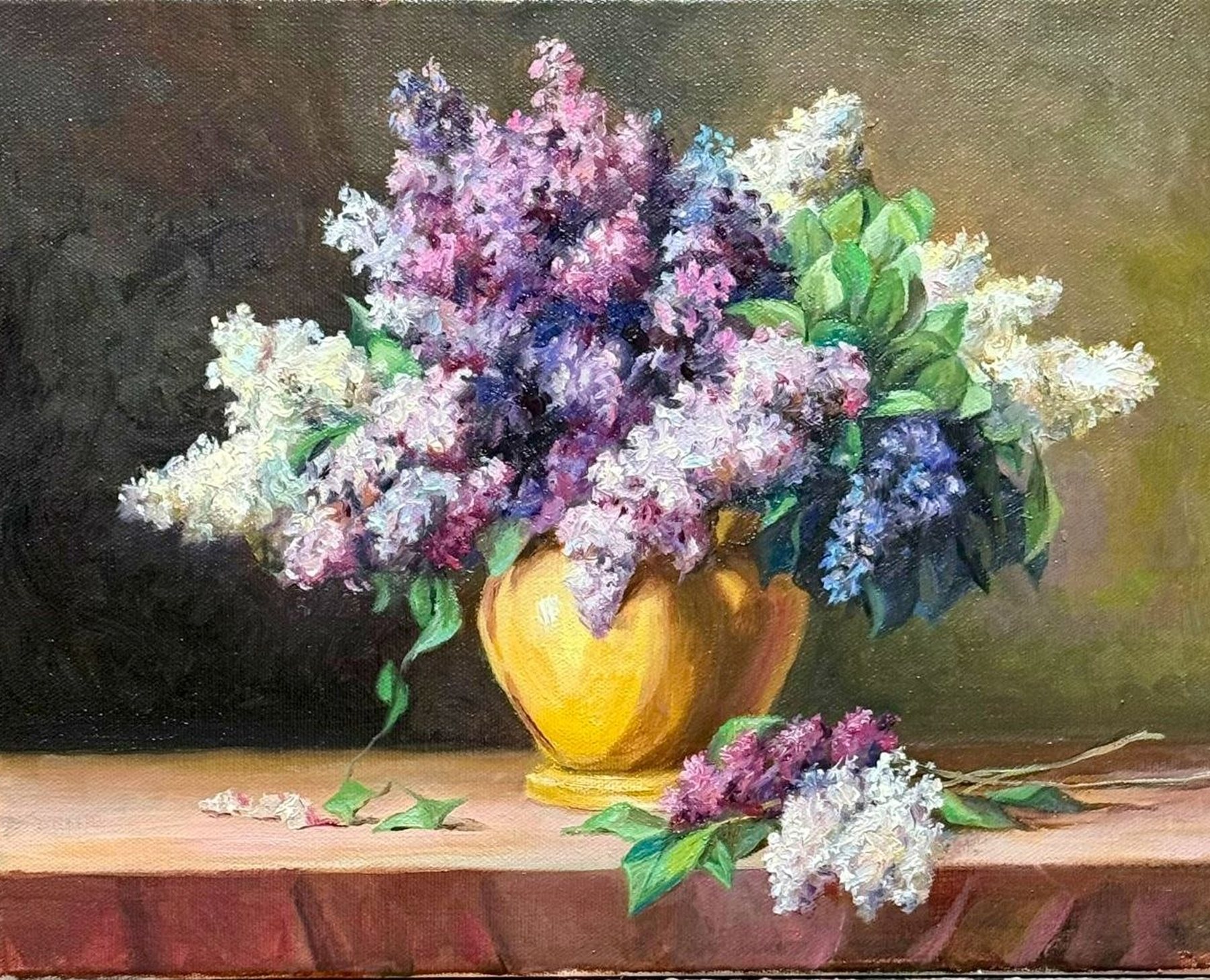
Lilac speaks of renewal, of early summer evenings and memories. It is a nostalgic flower: many people associate it with childhood gardens.
Daisies and cornflowers — simplicity and sincerity
Field flowers are about honesty, freedom and summer. They bring lightness and suit country houses, kitchens and bright bedrooms.
Gardenias and white flowers — purity and calm
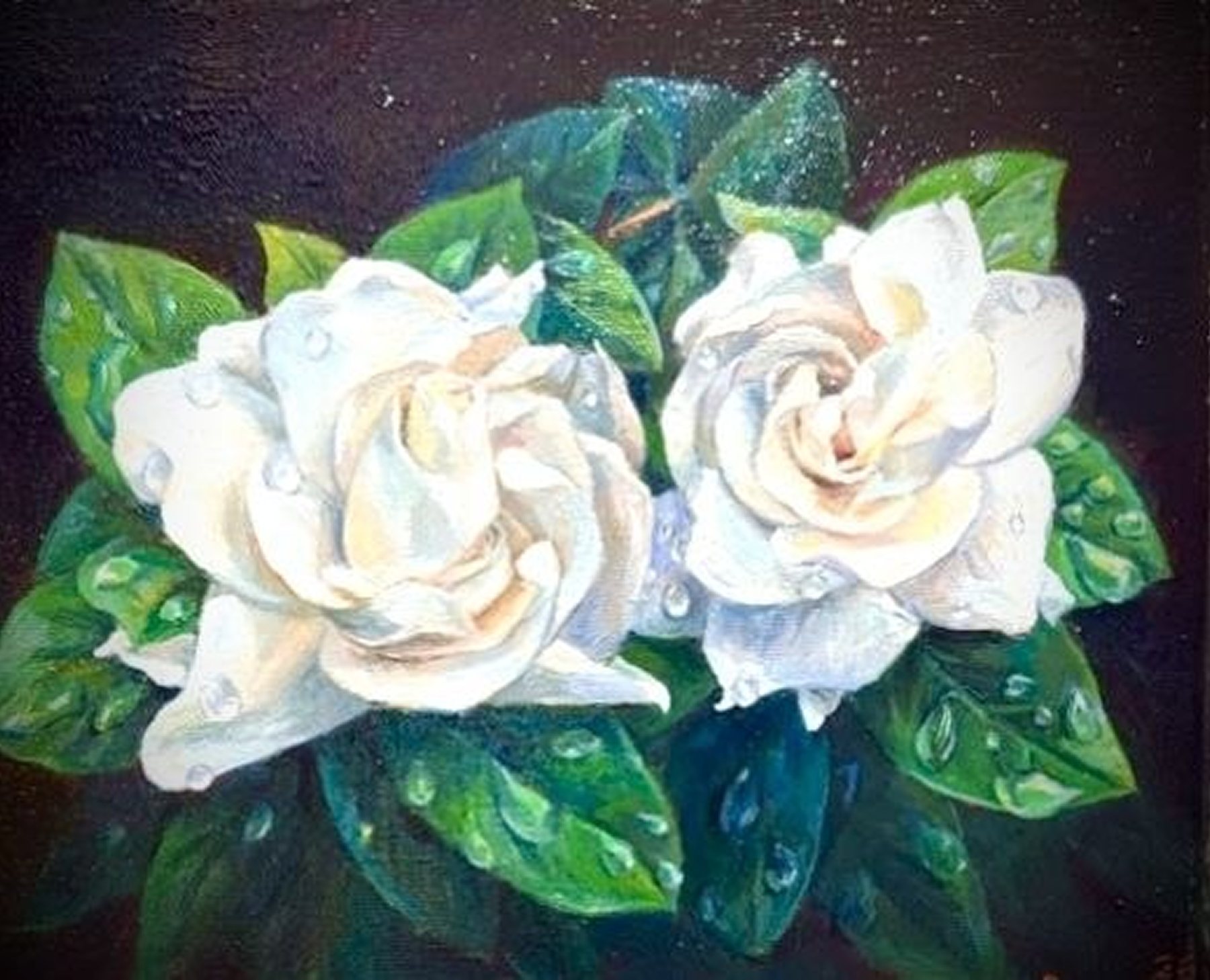
White flowers are the most difficult to paint: all their colour comes from reflections and shadows. They create a feeling of quiet elegance — see Gardenias.
Mimosa — warmth in winter
Bright yellow mimosa is the first promise of spring, a cheerful, sunny accent for grey seasons.
Fallen petals — time
When a painter adds a fallen petal to the table, it is a gentle reminder that beauty is fleeting — and that is exactly why we want to keep it on canvas.
A painted bouquet never fades. It holds one perfect moment of a flower’s life — forever.
Browse all flower paintings in the collection.